
Heritage Facade Restoration
Heritage and period façade restoration for Ghana — careful condition surveying, matching original materials and details, conserving the features that give a building its character, and sensitive repair or re-cladding done as conservation craft rather than replacement. Facade Ghana, since 1982.
Heritage façade restoration is the careful repair and conservation of the façade of a period or historic building — surveying its condition, conserving the features and detail that give it character, matching original materials where replacement is genuinely needed, and repairing or sensitively re-cladding the elevation. It is conservation craft, not replacement: the aim is to keep the building reading as itself. Facade Ghana has worked on building envelopes across Ghana since 1982, and on a heritage façade our discipline is simple: repair in preference to replace, and match the original rather than cover it.
Why a Heritage Façade Is Not a Re-Clad Job
A period façade carries the character of the building in its proportions, mouldings, materials and detail — the things a modern panel system erases. Stripping that off and re-cladding is the fast answer, and it turns a distinctive building into an ordinary one. Restoring it is a conservation decision, made against the value of what is there, not against the lowest price of covering it up. The risk on this market is a contractor who treats every façade as a surface to be replaced, rather than a building to be conserved.
Choosing the Conservation Approach
Survey and record first
Nothing is touched until the elevation is surveyed in detail — the materials, the mouldings, the joinery and the failures recorded as the building stands. The survey is what drives the restoration, so the work answers to what the façade actually is.
Conserve, repair, replace — in that order
We separate the features that should be conserved, the elements that can be repaired in place, and only the parts genuinely beyond saving that must be replaced. Retaining original fabric takes priority over replacing it; replacement is the last resort, not the default.
Match the original where replacement is unavoidable
Where a section cannot be saved, we match the original material, profile and finish so the repair reads as part of the building. A new section that matches the old is conservation; a modern panel stuck onto a period elevation is not.
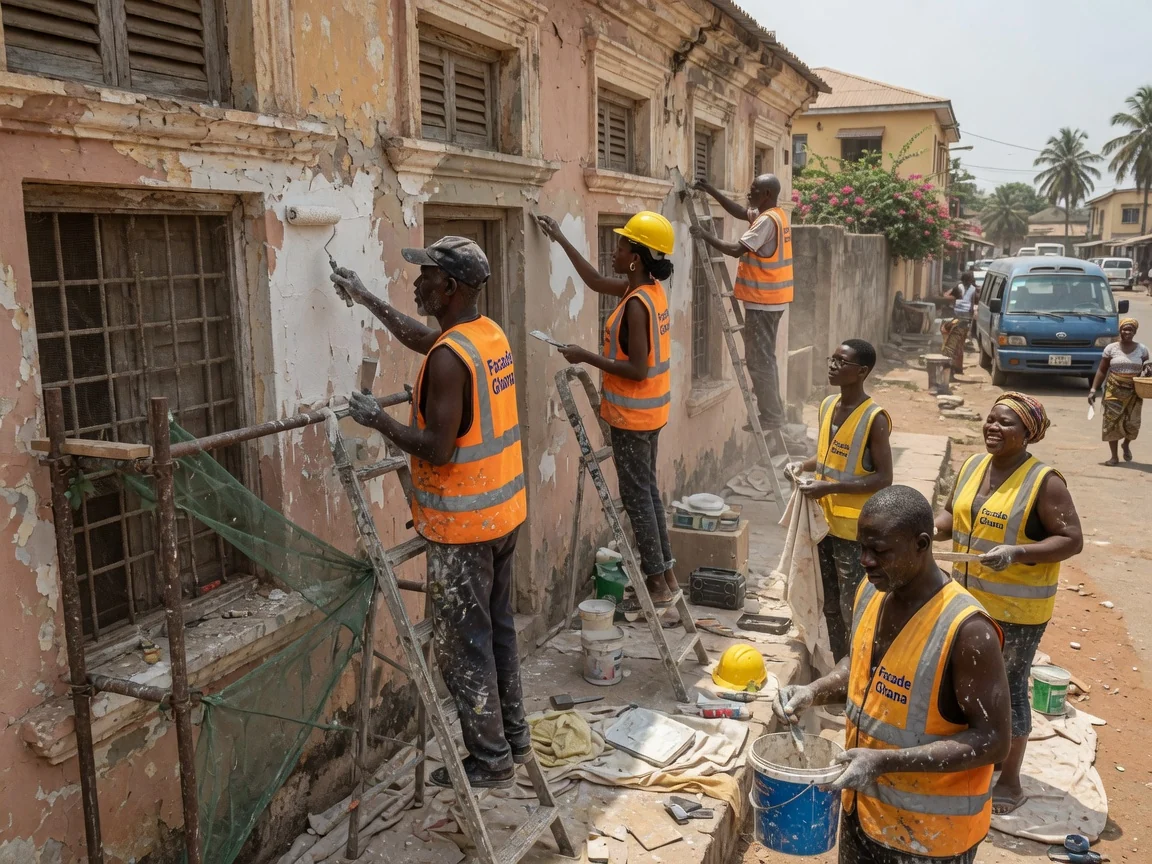
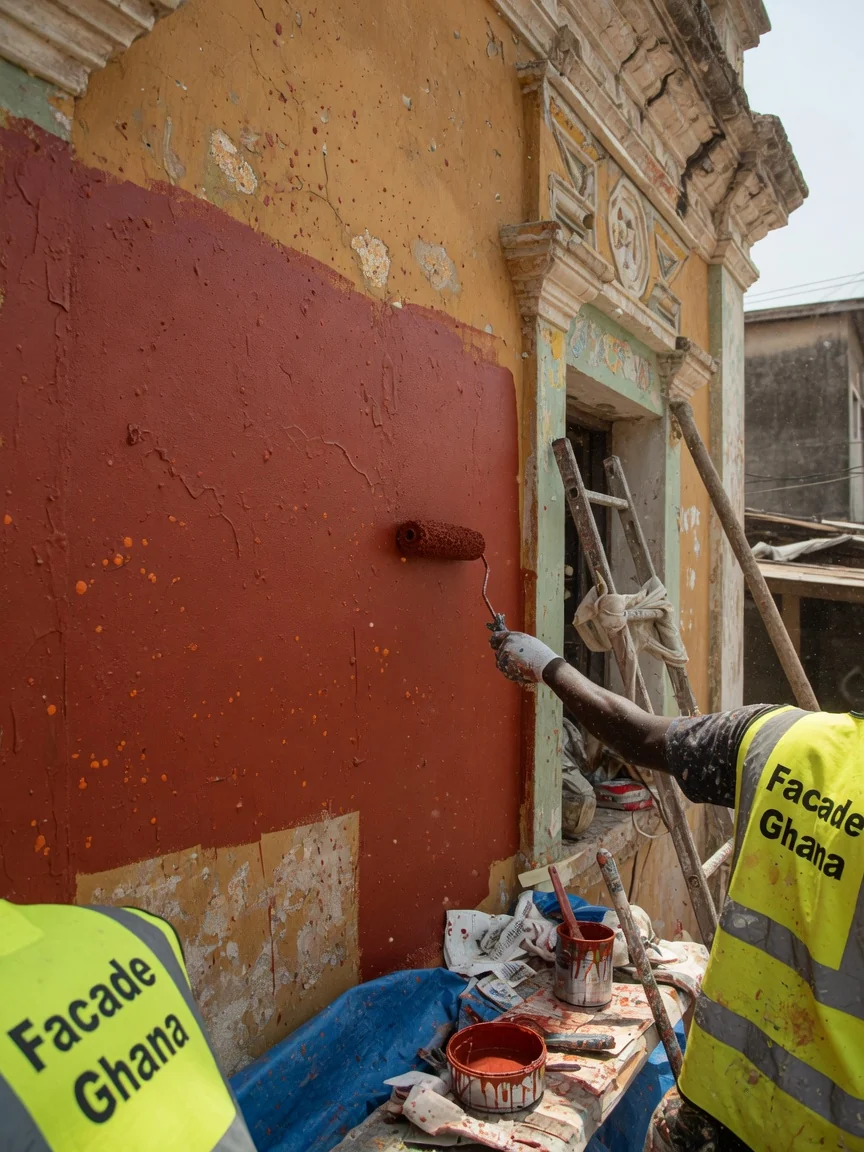
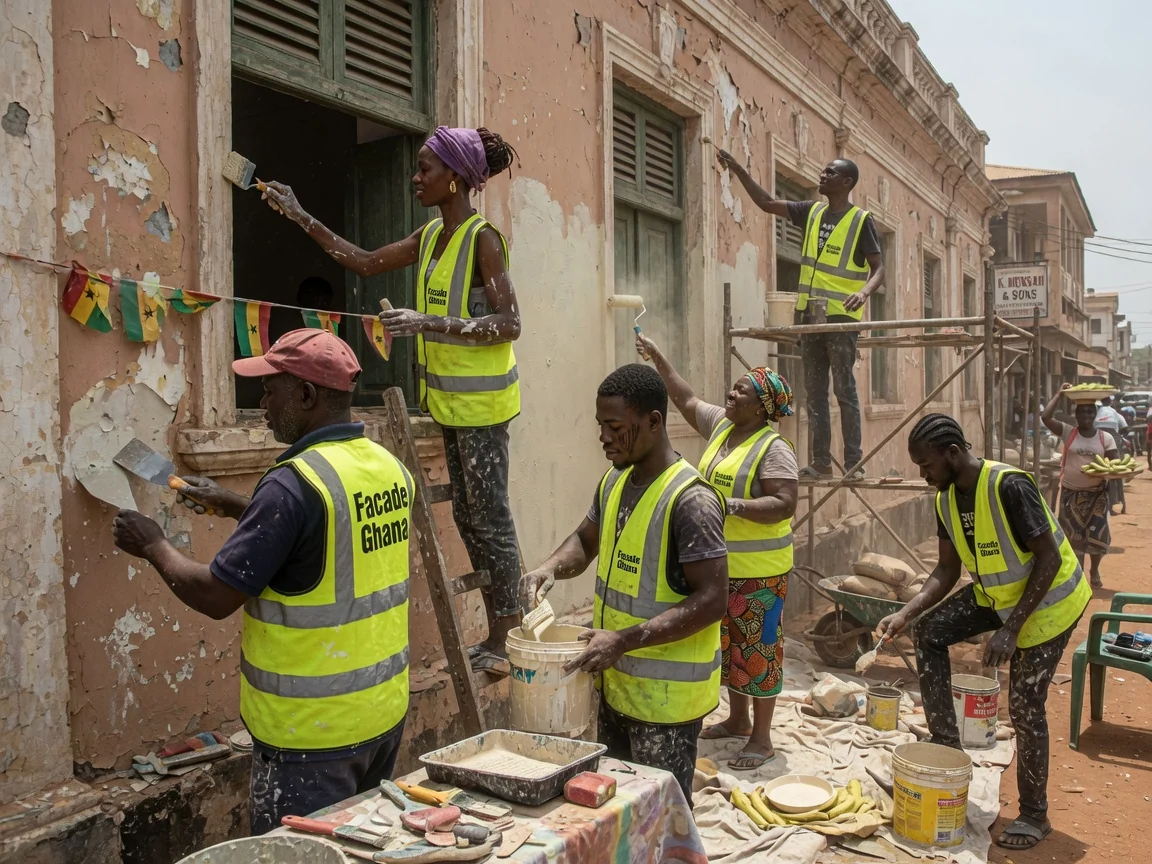
Conservation Approaches Compared
| Approach | What it does | When it applies | Note |
|---|---|---|---|
| Conserve in place | Clean, consolidate, retain original fabric | Sound original features with character | first choice — least intervention |
| Repair | Mend original fabric where it has failed | Damaged but salvageable elements | repairs the building, keeps the original |
| Match & replace | Reinstate to match original material/profile | Sections genuinely beyond saving | new work reads as part of the building |
| Sensitive re-clad | Carefully reinstate cladding in keeping | Where performance demands intervention | done in keeping, not over the top of character |
(The right approach is decided element by element from the survey; the principle is least intervention, repair before replace, match before substitute.)
How We Restore a Heritage Façade
- Survey and record — materials, mouldings, joinery and failures recorded before anything is touched.
- Decide conserve / repair / replace — character features conserved, salvageable elements repaired, only the unsaveable replaced.
- Match the original — material, profile and finish matched where replacement is unavoidable.
- Restore and sensitively re-clad or repair — conservation methods appropriate to the original fabric, not the quickest substitute.
- Hand over the record — survey, decisions and work carried out handed to the owner as the façade’s conservation history.
Materials & Real Standards
- Condition survey — the detailed record of the façade’s materials and failures that drives every conservation decision (the survey is the standard the work answers to)
- Conservation principle: least intervention — retain and repair original fabric in preference to replacing it; intervene only as much as the building needs
- Material matching — original profile, material and finish reproduced where replacement is unavoidable, so repairs read as part of the building
- Sensitive re-cladding — where performance demands modern intervention, it is done in keeping with the original rather than over the top of it
- EN 1090 — where new structural aluminium or steel support is introduced behind a restored elevation, its execution follows the structural framework standard
(Heritage restoration is a conservation craft; there is no product certificate for it, and we describe the conservation methods we use rather than claim a standard that does not exist for this work.)
What Affects the Cost
- The condition of the façade and the extent of decay (sound fabric needing cleaning differs entirely from widespread failure)
- How much can be conserved and repaired versus how much must be matched and replaced
- The materials and details to be matched (some original profiles and finishes are harder to reproduce than others)
- The access required to a period elevation (scaffold, hoist or rope access on a tall or constrained frontage)
- The level of recording and conservation documentation the building warrants
A heritage façade is unique, and its cost is quoted on survey — the condition, the materials and the access decide the figure, and none of it can be honestly priced from a photograph. We give the honest figure on survey, against what the building actually needs, rather than a fixed rate that would not respect it.
Applications Across Ghana
- Period and colonial-era frontages in Cantonments, Ridge and central Accra
- Institutional and civic buildings whose façades carry the character of the place
- Heritage commercial frontages where the elevation is part of the building’s value
- Sensitive re-cladding and feature reinstatement on ageing landmark buildings
- Heritage and period restoration commissions in Kumasi and Takoradi
Areas We Serve
Facade Ghana restores heritage and period façades across Greater Accra — Cantonments, Ridge, Airport City, the CBD, East Legon, Spintex and Tema — plus Kumasi and Takoradi.
Related Services
- Ventilated Rainscreen — sensitive re-cladding where performance is needed
- Structural Glazing — glazed interventions on restored elevations
- Façade BIM Coordination — recording and coordinating a complex restoration
- Wind-Load & Pressure Testing — verifying re-clad or reinstated sections
- Façade Systems Compared — choosing the right intervention
Frequently Asked Questions
What is heritage façade restoration? It is the careful repair and conservation of a period building’s façade — surveying its condition, conserving the original features and detail, matching original materials where replacement is genuinely needed, and repairing or sensitively re-cladding the elevation. It is conservation craft, aimed at keeping the building reading as itself.
Why not just re-clad the building in a modern system? Because a period façade carries the character of the building — proportions, mouldings, materials and detail that a modern panel erases. Restoration conserves what makes it distinctive and repairs it sympathetically; where modern intervention is needed, we do it sensitively, in keeping with the original.
Do you repair original fabric or replace it? We repair in preference to replace. The principle is to retain as much original fabric as possible and replace only what is genuinely beyond saving — and where replacement is unavoidable, to match the original material, profile and finish.
How is the cost of a heritage restoration decided? On survey, always. A heritage façade is unique — condition, materials, decay and access all differ building to building and none of it can be honestly priced from a photograph. We survey, agree what is conserved, repaired and replaced, and give the honest figure against that.